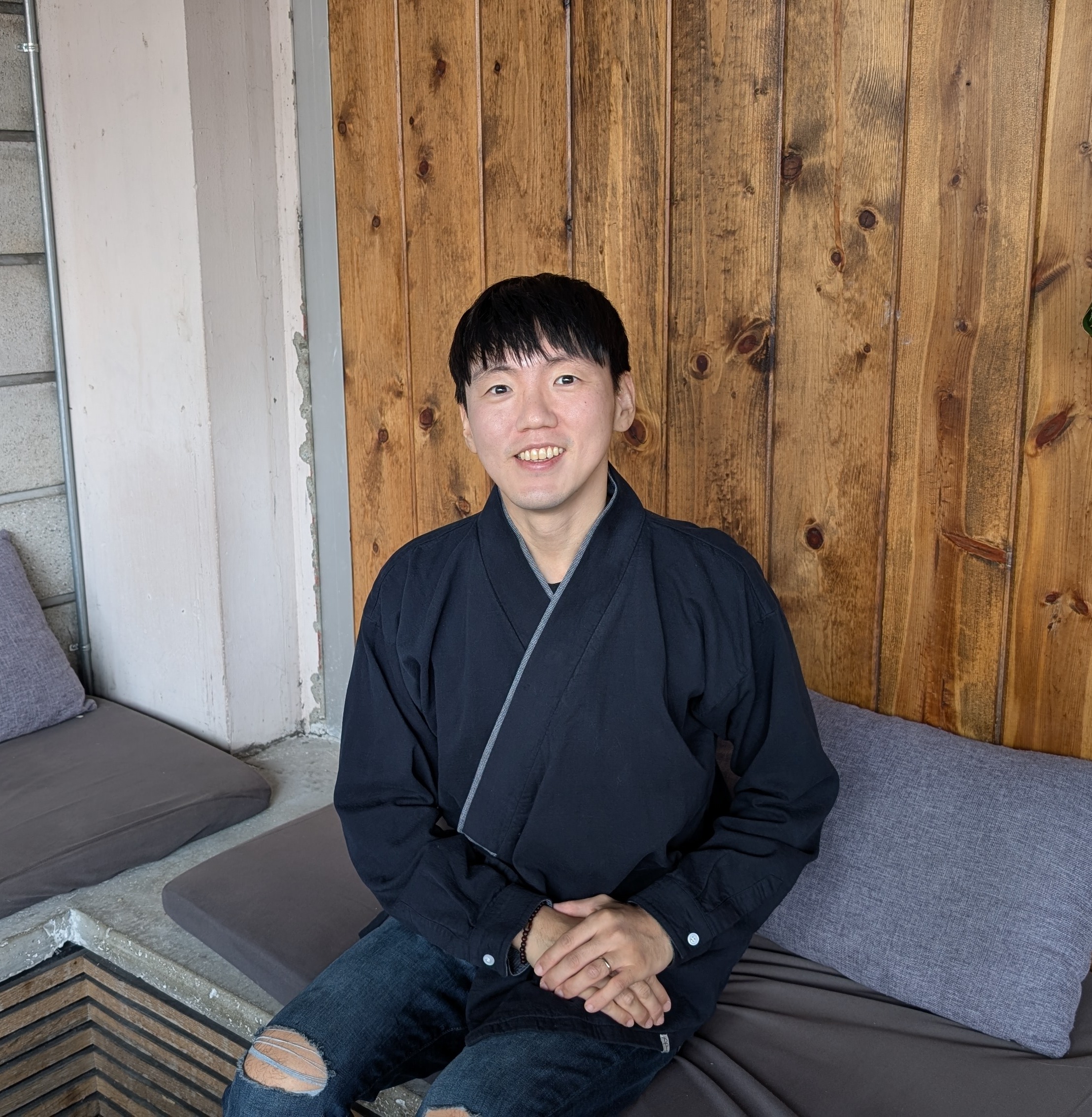
Built by Billy Seol
Buddhist life coach. Every experience here comes from years of real coaching conversations — not content marketing, not SEO articles. This is what actually helps people change.
About me →It's a practice studio. Interactive experiences built from real coaching conversations — designed to show you the pattern running your life, and give you something real to do about it.
See yourself clearly. These experiences reveal the patterns driving your behavior.
Buddhist life coach. Every experience here comes from years of real coaching conversations — not content marketing, not SEO articles. This is what actually helps people change.
About me →Pricing
Most experiences are free. Premium unlocks extended teachings, practice tools, and your personal Practice Map.
forever
one-time
4 weeks
Interactive scenarios, self-assessments, guided courses, and contemplative exercises. Each one is designed to reveal something specific about how you operate — and give you something practical to work with. Think of it less like a quiz website and more like a practice studio.
No. This is Buddhist life coaching delivered through interactive experiences. It's not a replacement for therapy or medical treatment. It's a complement — practical tools for self-understanding and behavioral change.
After completing a free experience, you'll get your pattern — the specific behavior driving your challenges. The Practice Kit unlocks the full teaching: why this pattern exists, where it'll show up next (the prediction), and specific exercises to work with it.
A personal dashboard that tracks your growth across all experiences. It shows your streaks, milestones, tools used, and insights based on your engagement patterns. Available with Practice Kit or higher.
Absolutely. Most experiences are completely free with no account required. You'll see your pattern and get the diagnosis for free. The Practice Kit unlocks the deeper teaching and practice tools.
Life coaching rooted in Buddhist psychology — understanding suffering, ego patterns, attachment, and impermanence. Not religious. Not woo. Just thousands of years of practical psychology applied to your specific situation.
"He taught me to look at my past with compassion rather than with criticism. He taught me how to be that person for myself."
"I immediately started to see changes being made. I started feeling better, more confidence with more vitality."
"Coaching with Billy is dynamic and reactive — I immediately see progress and change in whatever I'm feeling."
No account. No email. No commitment. Just honesty.
Explore July Life Coach →